
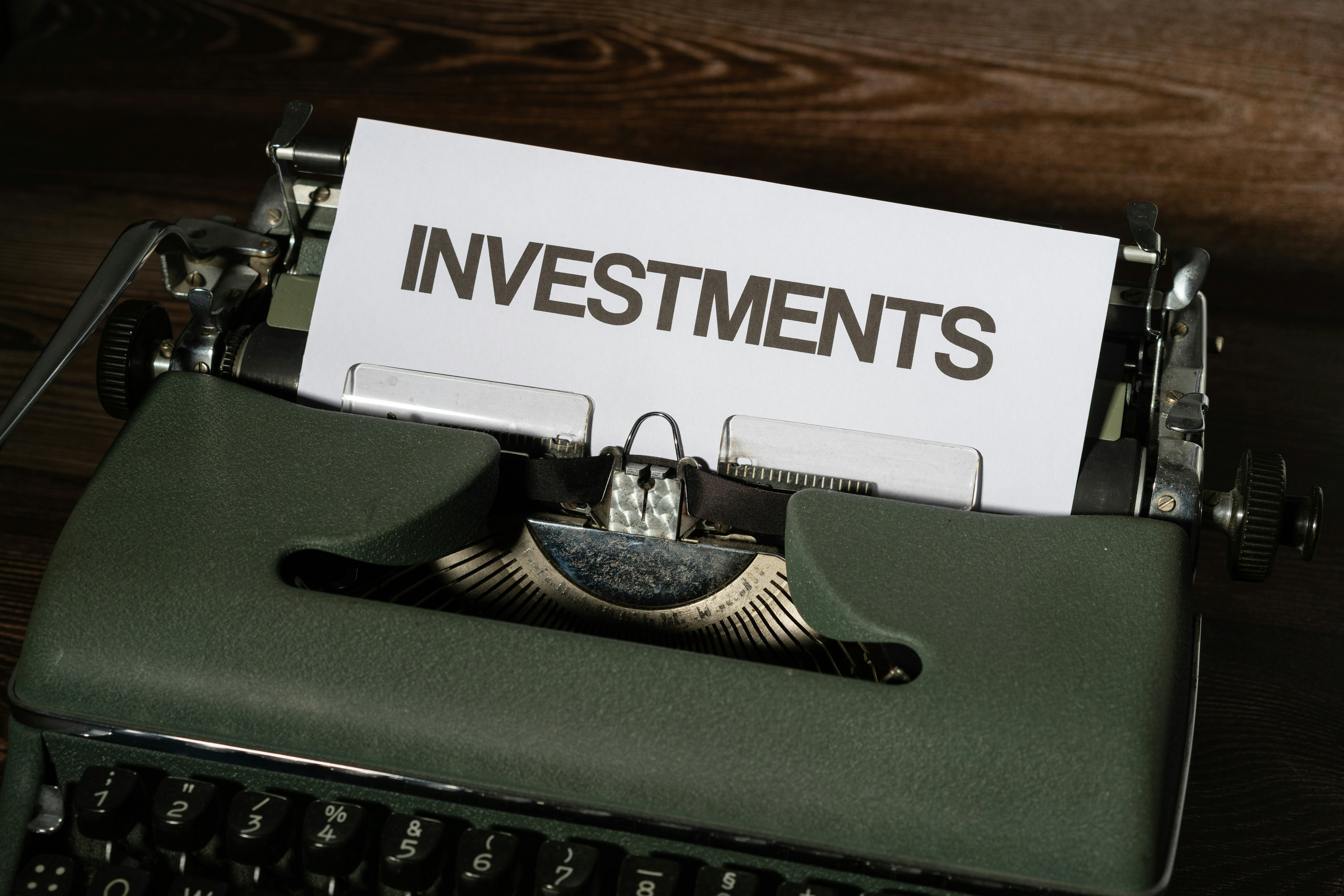
So you’re thinking about investing-and honestly,good for you. maybe you’ve got a little extra cash sitting in your account, maybe you’re tired of hearing everyone talk about “the market,” or maybe you just want your money to do a bit more than chill in a savings account. Either way,you don’t need a finance degree,a fancy suit,or a giant pile of cash to get started.
Investing can feel intimidating at first-there’s a lot of jargon, plenty of hot takes onlineand no shortage of people acting like you need to be a Wall Street pro by tuesday. But here’s the truth: everyday beginners can absolutely learn the basics and build good habits without making it complicated.
In this article, we’re keeping things simple. No confusing charts, no get-rich-swift nonsense-just easy investing tips for normal people who want to start small, learn as they goand feel a little more confident about their money. Let’s get into it.

Start With a Tiny Automatic Transfer You Barely Notice
Here’s the low-effort trick: pick a number so small it feels almost silly-like $5 a week-and set it to auto-transfer from your checking to a separate savings or investing app.

Pick One Simple Index Fund and Stick With It
Think of your investing plan like a favorite hoodie: comfy,reliable,and not something you rethink every morning. A single low-cost, broad-market index fund can give you a huge slice of the stock market in one tidy package, so you’re not playing detective with individual companies or chasing the hot ticker your cousin mentioned at dinner. Set up automatic contributions, keep fees lowand let time do the heavy lifting while you get on with your life.
Your main job is to not tinker
Before you get stars in your eyes about hot stocks or the next big thing, give your money a soft landing place. A dull, dependable cash cushion keeps a flat tire or surprise bill from turning into a credit card cliffhanger. Start small, keep it separate, and make it automatic so you barely notice the moves: Think of this stash as a financial airbag: boring on a good day, absolutely stunning on a bad one. Keep it in a high-yield savings account you can reach fastand don’t apologize for the low drama.Once this base is built, you can chase returns with a clearer head and far less panic. Boring can be beautiful when it comes to your first investment account. Look for a straightforward, no-frills option that does the basics well and skips the fancy extras you’ll probably never use. Fewer add-ons usually mean fewer surprise chargesand that leaves more of your money doing the actual investing. Before you click “open account,” do a quick fee vibe check. A clean, easy-to-read fee sheet is a good sign, while mystery charges are your cue to keep browsing. The table below is a handy cheat sheet for spotting the low-drama option. Set a low-key monthly money date-same day, same 15-minute window, snack optional. Your job is a quick pulse check, not a full financial autopsy. Put these on your once-a-month radar: Once those boxes are ticked,close the app and go live your life.Constantly refreshing balances is not investing-it’s just caffeine with extra steps. A monthly peek keeps you informed; daily fiddling keeps you twitchy. Use this simple do/skip reminder: Q: I’ve never invested before. What’s the easiest way to start? A: Start small and keep it simple. Open an investment account with a provider you trust, pick a low-cost, diversified option-like an index fund or a robo-advisor portfolio-and set up automatic contributions. Even $20 or $50 a month is a real start. The goal is to build the habit first, not to become a stock-picking genius overnight. Q: Do I need to be rich to invest? A: Nope. That’s one of the biggest investing myths. You don’t need a huge lump sum or a finance degree. Many apps and platforms let you start with tiny amountsand consistency matters way more than having a big pile of cash on day one. Q: What’s an index fundand why does everyone keep mentioning it? A: An index fund is basically a basket of lots of investments bundled together, so you’re not betting everything on one company. it’s popular with beginners because it’s simple, usually low-costand gives you instant diversification. Think of it like a “set it and forget it” option-way less stressful than trying to guess the next hot stock. Q: How much should I invest each month? A: Whatever you can comfortably afford without wrecking your budget. Before investing, make sure you’ve got your basics covered-like an emergency fund and any high-interest debt.Then start with an amount you won’t panic about. Investing should feel boring and steady, not like a financial dare. Q: Should I pay off debt before I invest? A: It depends on the debt, but generally, high-interest debt-like credit card debt-is worth tackling first. Paying off a 20% interest credit card is basically a guaranteed return. Low-interest debt might be a different story, but if you’re unsure, talk to a financial professional who can look at your situation. Q: What if the market drops right after I invest? A: Honestly? It might.Markets go up and down-that’s normal. The key is not to panic-sell the second things get shaky. If you’re investing for the long term, temporary drops are part of the ride. Boring, steady investing usually beats dramatic emotional trading. Q: How often should I check my portfolio? A: For most everyday beginners, checking every day is a one-way ticket to stress. Once a month or even once a quarter is plenty. Your investments don’t need you hovering over them like a helicopter parent. set them up, automate themand go live your life. Q: What’s a common beginner mistake I should avoid? A: trying to get rich quick. Chasing hot stocks, crypto hypeor “can’t-miss” tips is a fast way to learn expensive lessons. Also, don’t invest money you’ll need soon-like rent money or your emergency fund. Keep it simple, diversifyand think long term. Q: Do I need a financial advisor? A: Not necessarily-especially if you’re just starting with a simple, low-cost portfolio. But if you’ve got complicated finances, big goalsor you’re just overwhelmed, a fee-onyl financial advisor can be worth it. Just make sure you understand what you’re paying and why. Q: What’s the #1 easy investing tip for beginners? A: Automate it. Pick a simple investment, set up automatic contributions, and let time do the heavy lifting.The best investing plan is the one you’ll actually stick with-not the fanciest one on TikTok. Quick note: This is general info, not personalized financial advice. Investing involves risk, so do your homework or talk to a pro if you need specific guidance. That’s a Wrap! So there you have it-investing doesn’t have to be scary, complicatedor reserved for people who wear suits and talk about “market corrections” at dinner parties. Start small,keep it simple,and give yourself permission to learn as you go.Remember: slow and steady beats panic-clicking at 2 a.m.And hey, if you’re ever unsure, ask questions, do a little diggingand don’t invest money you can’t afford to lose. This isn’t financial advice-just your pleasant nudge to get curious and start somewhere. Got a beginner investing tip of your own? Drop it in the comments-I’d love to hear it! Input your search keywords and press Enter.Build a Boring Emergency Fund Before You Chase Returns
Boring move
Why it works
Small automatic transfer
Builds the habit quietly
Separate savings account
Ke
Choose Plain vanilla Accounts to Keep Fees Low
What to check
Green flag
Account fee
Zero or clearly explained
Add-ons
Optional, not automatic
Fee list
Short and readable
Check Your Money Once a Month and Leave It Alone
Do
Skip
Q&A
Q&A: Easy Investing Tips for Everyday Beginners
Wrapping Up