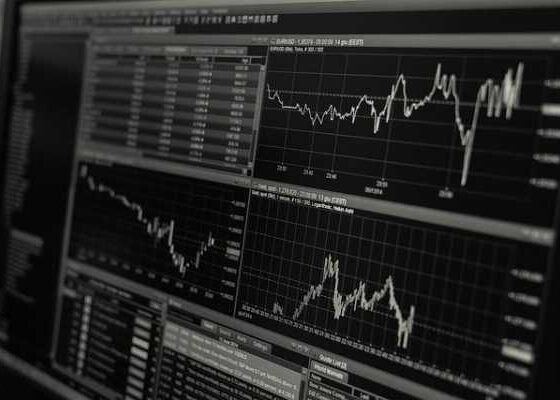

So you’ve seen the headlines: inflation’s doing this, interest rates are doing thatand somewhere a economist is saying “uncertainty” with a very serious face. If you run a business, it’s easy to read all that and think, “cool, but what does any of this actually mean for me?”
That’s exactly what we’re digging into. becuase the economy isn’t just a bunch of charts and jargon-it shows up in your costs, your customers’ spending habits, your hiring plansand whether that new equipment finally makes sense. But here’s the good news: you don’t need a degree in macroeconomics to make smarter calls. You just need to know which signals matter and which ones are basically background noise.
In this article, we’re breaking down what the economy really means for your biz-no doom-scrolling required. Think of it as a plain-English translator for all those big economic headlines, plus practical ways to use the info without letting it run your life.
Why Your Biz Feels Every economic Twitch
Your business is basically standing in the middle of a weather system you didn’t design. Interest rates, consumer confidence, shipping costs, hiring moods, even the way people talk about “the economy” can quietly change how customers spend, how vendors negotiateand how heavy your own overhead feels. You don’t need to obsess over every headline,but you do need to notice the patterns that actually touch your cash flow,such as:
- Customer hesitation showing up as longer decision cycles or smaller orders.
- Supplier pressure appearing as new minimums, slower deliveriesor surprise fees.
- Payroll math getting tighter while good people still expect raises and flexibility.
- Marketing costs creeping up because everyone is chasing the same attention.
That’s why the twitch feels personal – because it is. Economic shifts rarely arrive as a dramatic memo; they leak into your business through tiny operational nudges. The smart move isn’t to predict every bump, but to build a buffer: know your break-even number, keep a little breathing room in pricingand watch the few metrics that tell you whether customers are leaning in or tightening up. When you can spot the small signals early, you stop reacting to every ripple like it’s a tidal wave.
Spotting the Signals That Actually Matter to You
You don’t need a PhD in macroeconomics to know when your business is about to feel a shift. Moast economic headlines are just background noise-what actually moves the needle for your biz are the signals hiding in plain sight: your inbox, your bank accountand your gut. Your customers’ payment habits are a better inflation indicator than any government report. Supplier lead times tell you more about supply chain stress than a dozen analyst notes. And your own cash buffer is the only “economic outlook” that matters when payroll is due. Stop scanning the big picture and start zooming in on the metrics that live inside your four walls.
Here’s how to separate the meaningful from the merely loud. First, listen to your front line-sales conversations, support tickets, even the tone of customer emails. Second, watch your cash conversion cycle like a hawk.Third, track competitor behavior (are they hiring? discounting? ghosting?). To make it concrete, here’s a speedy cheat sheet:
- Payment delays from regulars → cash flow squeeze ahead
- Suppliers asking for shorter terms → their stress becomes your stress
- Sudden uptick in “just browsing” customers → confidence is wobbling
Signal
Where Costs Really Bite and How to Trim SmartThe sneakiest budget drains rarely announce themselves. They show up as “just $19 a month” tools, rush charges you accept because you’re swampedand free trials that morph into paid plans while you’re busy doing actual work. None of these feel like emergencies individually, but together they turn into a quiet leak that makes every other expense feel tighter than it should.
Trim smart by going after the repeat offenders,not the morale boosters. Keep the coffee, the good project tooland the client lunch that actually moves revenue; cut the stuff you’d struggle to justify out loud. Try a 30-day “prove it” rule for new tools, do a quarterly subscription sweepand ask every vendor what happens if you downgrade-it’s wild how often a cheaper plan is available but not advertised. Pricing Moves that Keep Customers Coming BackThe knee-jerk reaction when the economy gets wobbly is to slash prices-but that’s a race to the bottom. instead, focus on smart pricing moves that make customers feel valued without gutting your margins. consider these retention-amiable tactics:
When money feels tight, customers aren’t just hunting for the lowest number-they’re looking for predictability and fairness. A well-timed price lock or a small perk can do more for loyalty than a deep discount ever will. Here’s a quick snapshot of how different moves stack up:
Cash Flow Habits to Build Before the Next HeadlineBefore the next scary news Q&AHere’s a quick Q&A for the article “What the Economy Really Means for Your Biz” – blog-style, casualand to the point. Q: So… is the economy actually as scary for small businesses as it sounds?A: Not automatically. The economy is a big, messy background soundtrack – it matters, but it’s not the whole movie. What usually matters more is how your customers are feeling, what your costs look likeand how quickly you can adapt. “The economy” is not one giant monster. It’s a bunch of moving pieces,and some of them might actually work in your favor. Q: How much should I pay attention to economic news?A: Enough to be informed, not so much that you’re doom-scrolling at 11 p.m. Check the big stuff – inflation, interest rates, consumer spending – but don’t let every headline send you into a panic spiral. If a news story doesn’t change a decision you can actually make this month, it’s probably noise. Q: What do interest rates have to do with my business?A: A lot if you’re borrowing money, carrying debtor thinking about a big purchase. Higher rates can make loans more expensive and squeeze cash flow. Lower rates can make financing a little friendlier. But if you’re not borrowing right now, don’t obsess. Just know your numbers and keep an eye on anything you’re planning to finance. Q: Inflation is still a thing. Should I raise my prices?A: Maybe – but don’t just slap a new price tag on everything and hope for the best. Look at your costs, your marginsand what your customers can realistically handle. A small, thoughtful price increase with clear communication often works better than a big panic hike. And yes, it’s okay to explain that your costs went up. People get it. Q: If a recession is coming, should I cut marketing first?A: That’s the classic move – and honestly, it’s often a mistake. When things get quiet,that’s usually when your customers need reminding you exist. You don’t have to spend like it’s 2021, but cutting marketing to zero can make your business feel like it disappeared. Trim smart, test smalland double down on what’s actually bringing in customers. Q: What’s one thing I should do when the economy feels uncertain?A: Get cozy with your cash flow. Know what’s coming in,what’s going out,and how many months you could survive if things got weird. That one habit does more for your stress levels than reading 47 economic forecasts. Also: talk to your customers. They’ll tell you what they’re worried about – and what they still want to buy. Q: Bottom line – what does the economy really mean for my biz?A: It means you need to stay informed, stay flexibleand not let the headlines run your business. The economy sets the weather. You still decide how to dress for it. Watch your numbers, listen to your customersand make small moves fast. You don’t need to predict the future – you just need to be ready to adjust. closing RemarksAlright, let’s wrap this up. Look, the economy is a lot like the weather-it’s happening, it’s bigand you can’t control it. But you can check the forecast, decide what to wearand maybe pack an umbrella just in case. Don’t let those big, intimidating headlines psych you out. You don’t need a degree in economics to run a smart business. You just need to stay nimble, trust your gutand focus on what you do best: serving your people. So, take a deep breath. Keep your eyes on your own paper.The “market” is just a bunch of people making decisions-and you’re one of them.Now go out there and make some smart ones. Catch you in the next one! [Your Name/Logo]
You May Also LikeSimple Economy Advice That Actually WorksWhy Every Economy Expert Is Secretly GuessingWhy Every Economy Expert Gets It Wrong SometimesWhy Every Economy Expert Is Your New Best Friend in 202410 Easy Economy Tips to Boost Your Budget TodayWhat an Economy Expert Really Thinks About Today’s MarketSmart Money Moves: Easy Economy Tips You’ll Actually UseEconomy 101: Easy Guide for Newbies to Get StartedInput your search keywords and press Enter. |
|---|