Ever watched someone trade the markets and thought, “Okay, what kind of cheat code is this?” Because that’s exactly the vibe you get when you see today’s guest in action. On the surface, it looks effortless-calm clicks, clean callsand results that make the rest of us wonder where we went wrong. But behind that “easy” exterior is a whole lot of experience, disciplineand probably a few scar stories from the market. in this article, we’re meeting the trading expert who makes it look easy-and finding out what’s really going on behind the screens. Spoiler: it’s not magic. It’s skill, strategyand a seriously cool head.
How He Reads the Market Without Overcomplicating Every chart
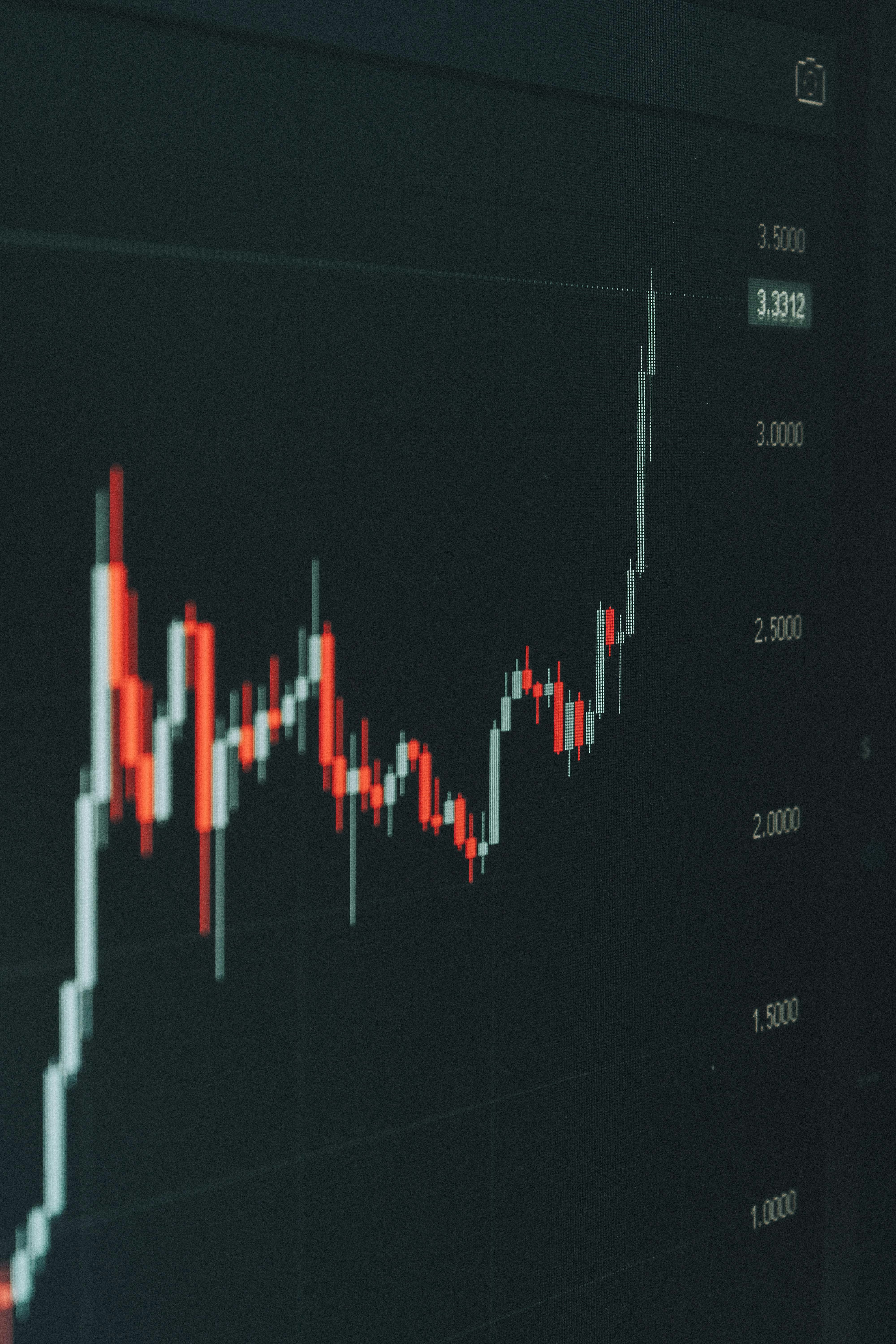
He’s not the guy with 12 monitors and a rainbow of squiggly lines. Instead, he strips every chart down to the bare essentials – price, volumeand a couple of key levels. While others get lost in indicator soup, he’s asking three simple questions: Where did price react before? Is volume backing this move? What’s the risk if I’m wrong? He ignores the noise that makes most traders freeze:
- Indicator overload – if it needs a manual, it’s out
- Every timeframe – he sticks to daily and 4-hour
- Breaking news – he waits for the dust to settle
His edge isn’t a secret formula – it’s ruthless simplicity. He scans for clean support/resistance, a volume spikeand a clear invalidation point. Then he acts.No paralysis, no second-guessing. The table below sums up his filter:
| What He Watches | What He skips |
|---|---|
| Price action at key levels | 10 indicators saying the same thing |
| Volume confirmation | every economic calendar event |
| Clear risk/reward | Chasing candle wicks |
The Risk Rules He Never Breaks and Why They Work
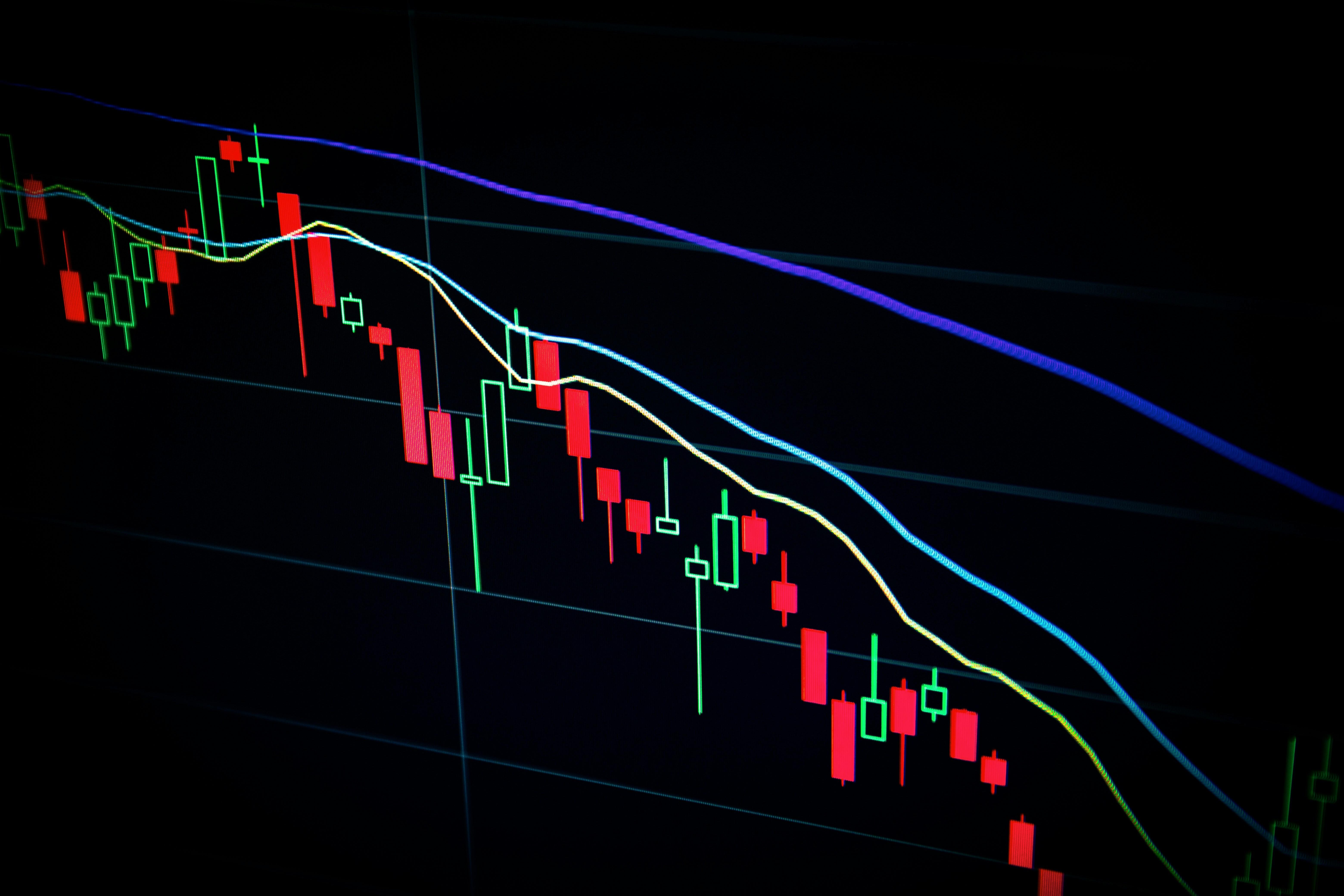
He doesn’t treat risk like a boring checklist-he treats it like a seatbelt. Before any trade gets captivating, the maximum loss is already decidedand that number never gets “massaged” just because a setup looks shiny. His non-negotiables are refreshingly simple:
- One trade can’t wreck the month – position size is capped so even a bad streak stays annoying,not catastrophic.
- Stops are set before entry – no “I’ll watch it closely” magic tricks.
- Three losses in a row means a pause – not revenge trading in a trench coat.
- No random adds to losers – averaging down is not a personality trait.
Why does this work? because the rules remove the one thing markets love to exploit: impulse. When the plan is boring and repeatable, a bad day stays a bad day instead of becoming a spreadsheet horror story. The real edge isn’t guessing every move-it’s surviving long enough for the good setups to actually matter.

Why position Sizing Beats Chasing the Perfect Entry
Here’s the part that doesn’t make the highlight reel: the pros don’t spend all day hunting for a flawless entry. They spend their energy deciding how much to put on the line. A so-so setup with smart sizing can keep you in the game; a “perfect” setup with oversized risk can knock you out in one afternoon. The edge isn’t in the trigger – it’s in the math.
- Small risk, big runway: you survive long enough for your strategy to actually play out.
- Mistakes stay survivable: a wrong call becomes a bruise, not a blowout.
- Consistency beats adrenaline: boring sizing keeps you around for the next good setup.
Perfect entries are a moving targetand the market is happy to make you chase. Sizing is the part you can control before the trade even starts. Get that rightand you stop needing every entry to be heroic. The Calm Mindset Trick He Uses when a Trade goes Sideways
When a position stalls and the chart starts looking like a flatline, he doesn’t panic or force an exit. Instead, he runs a quick mental pattern interrupt he calls the “sideways reset”. The goal isn’t to predict the next move-it’s to shrink the emotional noise. He asks himself three simple questions, in order, before touching a single button: That tiny ritual keeps him from turning a slow trade into a dramatic one. He also pairs it with a “do-nothing window”-a set number of minutes where he’s not allowed to adjust anything unless the plan’s hard stop is hit. Below is how he maps common sideways signals to calm responses, so you can borrow the framework without copying his exact trades. The real magic isn’t some secret indicator-it’s repetition. He kicks off the morning with a quick market weather check, scanning headlines and major indexes before the coffee gets cold. Then he writes down one clear intention for the session, as a fuzzy plan is just a fancy guess. Before any click, he runs a tiny pre-trade checklist: During the day, he treats breaks like part of the job. A short walk, a water refilland a screen-time pause keep his brain from turning into a slot machine. After the close, he does a three-line review-what worked, what didn’tand what he’ll repeat-so tomorrow starts sharper than today. steal the simple version: We caught up with Maya Chen, a full-time trader and mentor who somehow manages to stay calm while the charts are doing cardio. She talked about routines, risk, bad tradesand why “making it look easy” is mostly about readiness-not luck. This interview has been edited for length and clarity.
Q: So,first things first-how did you get into trading? Maya: Honestly? By accident. I started out in a boring finance job,mostly doing spreadsheets and drinking too much coffee. A coworker showed me a basic chart one dayand I got curious.That curiosity turned into late nights, YouTube rabbit holesand a lot of tiny trades. I definitely did not start out making it look easy. My first year was basically me donating money to the market while I learned. Q: People watch you trade and say,“Wow,that looks easy.” Does it actually feel easy? Maya: Not even a little bit. It looks easy as I’ve done the boring work behind the scenes-the planning, the journaling, the risk checks, the “nope, not touching that setup” decisions. When people see me calmly click a button, they don’t see the years of mistakes, screen timeand rules I had to build. The market is not easy. I just try to be boring and consistentand boring can look effortless from the outside. Q: What does “making it look easy” actually require behind the scenes? Maya: A routine, mostly. I review my watchlist before the open, check my risk limitsand decide in advance what would make me walk away.I also keep a trading journal-not the cute inspirational kind, the brutally honest kind. If I break a rule,I write it down. If I take a dumb trade, I write that down too. The goal is to make fewer impulsive decisions. That’s the unsexy secret. Q: Walk us through your typical trading day. Do you have a morning ritual? Maya: I’m up before the market, but not in a “meditate for an hour and cold plunge” way. I make coffee, skim the newsand check the major indices. Then I look at my levels and write down three things: what I’m watching,where I’m wrong,and how much I’m willing to risk. After that, I try not to overthink. I also have a rule: no trading if I’m rushed, annoyedor hungry. Hungry trading is realand it’s dangerous. Q: What’s the biggest myth beginners believe about trading? Maya: That it’s a get-rich-quick thing.Or that you need to be right all the time. You don’t. You need to manage risk and stay in the game long enough to learn. Another big myth is that more screen time equals more money. Sometimes the best trade is closing the laptop and going for a walk. Q: How do you handle risk? Like, what keeps a bad day from becoming a disaster? Maya: Position sizing is everything. I risk a small, fixed amount per tradeand I have a daily loss limit. If I hit it, I’m done-no revenge trading, no “one more trade.” I also use stop-losses and I actually respect them. That’s the part people skip because it feels less exciting.But risk management is the whole game. Profits get the applause; risk management keeps you alive. Q: Tell us about a trade that went wrong. What did you learn? Maya: Oh, I’ve got plenty. Early on, I held onto a losing position as I was sure it would come back. It didn’t.It just kept bleedingand I kept moving my stop-loss like a genius. that one hurt. What I learned was simple: hope is not a strategy. Now I define my exit before I enterand I don’t negotiate with myself. The market doesn’t care how strongly I believe in a chart. Q: Do you ever get nervous or emotional? How do you deal with it? Maya: All the time. I’m human. The difference is I don’t let the feeling drive the decision. If I notice I’m getting twitchy, I step away, breatheand re-read my So there you have it-proof that “making it look easy” is usually just years of practice, disciplineand a whole lot of behind-the-scenes work in disguise. Our trading expert might make it look like a walk in the park, but the real takeaway is that there’s a method to the magic. Got thoughts,questions,or your own trading war stories? Drop them in the comments-we’re all ears. And if you want more straight-talking interviews and no-nonsense insights, make sure to subscribe so you don’t miss the next one. Happy trading,folks!
Sideways signal
Calm response
Price hugging the entry
Set a timer, walk away
Volume drying up
Re-read the original thesis
Random spike against you
Check stop, not feelings
Simple Daily Habits You Can copy From His Trading Routine
Q&A
Meet the Trading Expert Who Makes It Look Easy-and Swears It’s Not Magic
Wrapping Up